





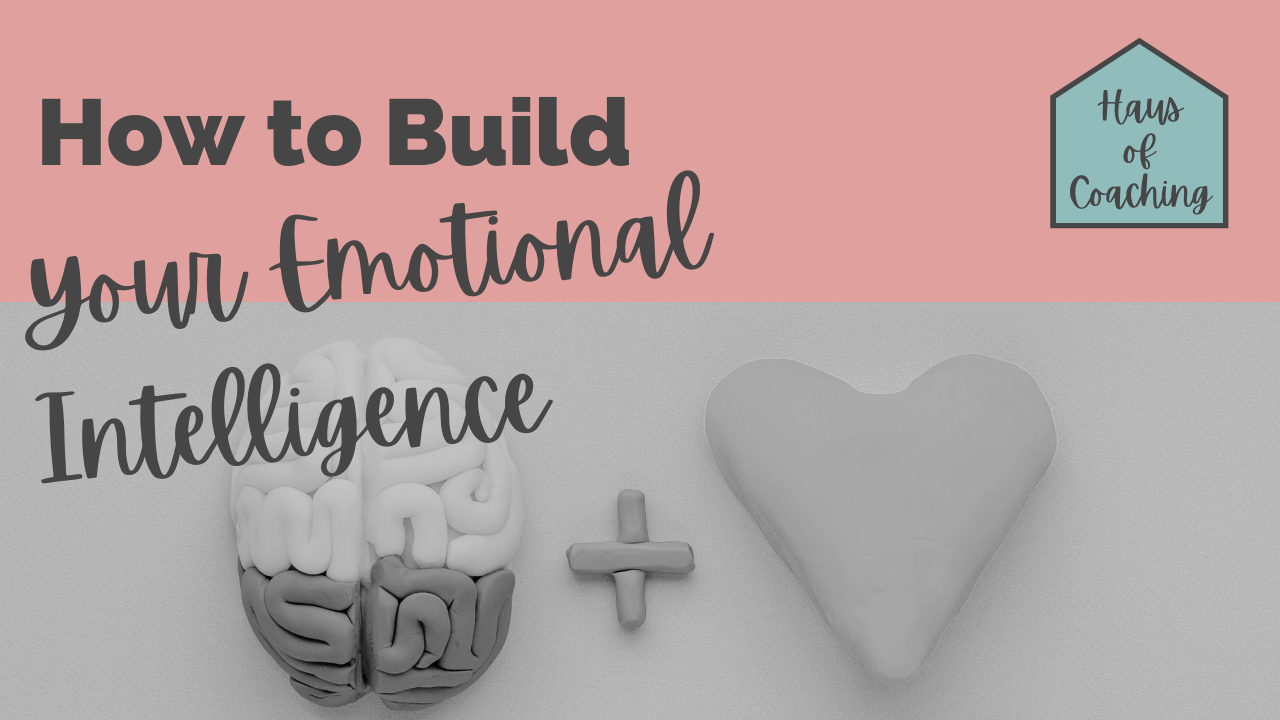
How to Build your Emotional Intelligence
Is there room for emotions in the workplace? There has to be, because our feelings are major drivers in the decisions we make every day, and our relationships inside and outside the workplace.
“We are not thinking machines that feel; rather we are feeling machines that think.”
– Antonio Damasio, Neuroscientist
The most effective leaders are well aware of this. They use their emotional intelligence daily to read and respond appropriately to their own emotions, and those of others, to resolve issues and drive through successful organisational change. It’s a vital part of the leadership toolkit – as vital as problem solving and effective communication, but only recently has it been given the credit it deserves. Let’s explore the ways you can build your emotional intelligence, and how it will benefit you, your team and your organisation as a whole.
To begin with, let’s look at the part played by emotions in the workplace, and how you ignore them at your peril…
Managing Emotions
It’s not unprofessional to show emotion in the workplace – even though the opposite was a long-held belief in many cultures, for many years. Feelings were regarded as complications to logical thinking, and very much unwelcome in the workplace. Add corporate conformist culture to that mix, and you’ve got an awful lot of issues getting swept under the proverbial carpet. Resentment builds, productivity drops, good people leave, and creativity can be stifled – which means great opportunities for innovation are lost.
Then there’s the impact of major change. Nothing stirs up negative emotions like a transformational programme, especially if jobs may be at risk. Anything that unsettles your people, or makes them question their ability to do their job well, means fear and uncertainty can creep in. Productivity goes down, and health begins to suffer, so absenteeism goes up – and once again, you’re at risk of losing some of your organisation’s greatest assets. That’s why it’s vital to be alive to the emotional impacts of managing change, and to take account of that when preparing people for that change, dealing with any issues that arise.
Leading with Emotional Intelligence
So if the quote is true – and we are feeling machines that think first and foremost, rather than thinking machines that occasionally have inconvenient feelings – then everything we do is governed by our feelings, whether we realise it or not. Feelings affect how we do our jobs, respond to those around us, and every decision we take; so being able to manage them, and help others to manage theirs, is a vital skill to have.
Understanding and managing your people with that knowledge first and foremost is a key skill for any leader. The best leaders have strong emotional intelligence, able to read and manage their own emotions, and those of others
Building your Emotional Intelligence
Like all skills, emotional intelligence comes more naturally to some than to others, for all sorts of reasons – but there are ways to work on and strengthen yours. Here are three key techniques to try, if you feel yours needs a tune-up:
Practise being self-aware: being aware of how your own feelings work is the only place to start. Observe how you react to even the smallest events – conversations, emails, meetings – and how that drives your response. This knowledge helps you to grow more aware of your own triggers and emotional states, and allows you to think about any changes you might want to make.
Prioritise self-regulation: devise some stress management techniques and practices to adopt when you feel triggered. Something as small as counting to 10, or taking yourself for a short walk, will give you space to respond and consider your reaction.
Develop your empathy: practise active listening by giving your full attention to the person speaking, acknowledging their feelings, and responding thoughtfully. This will allow you to get into their shoes, and connect with where they’re coming from. Pay attention to those nonverbal cues that give so much away: their body language, facial expressions, and tone of voice. They’ll give you valuable insights into the emotions and state of mind at play, and can inform how you respond.
Winning with Emotional Intelligence
Leaders who don’t use their emotional intelligence – or worse, disregard its importance altogether – risk breakdowns in communication, unresolved issues, demoralised and disengaged teams, and lower productivity.
But if you’ve got it and you use it well, you’ll enjoy healthier, more open and more successful professional relationships, foster more trust, and create honest communication within your teams. When they see it modelled by their leader, teams feel more able to express their feelings and resolve conflicts openly, which creates a more open and trusting atmosphere with space for new ideas, innovations and development…and that’s good for everyone.
If you’d like to give emotional intelligence a workout in your workplace, Haus of Coaching can support you! Contact us to find out how we can help.