
UK Autumn Budget 2026 Series – Part 3
Planning to Buy Equipment in 2027?
Before investing in machinery or equipment, understand how the Autumn Budget 2026 changes to capital allowances could affect your business.
Your Next Business Investment Deserves a Tax Review
When a business invests in machinery, equipment or other qualifying assets, the purchase can affect its tax position. The UK Autumn Budget 2026 announced changes to capital allowances that businesses should consider when planning investments for 2027.
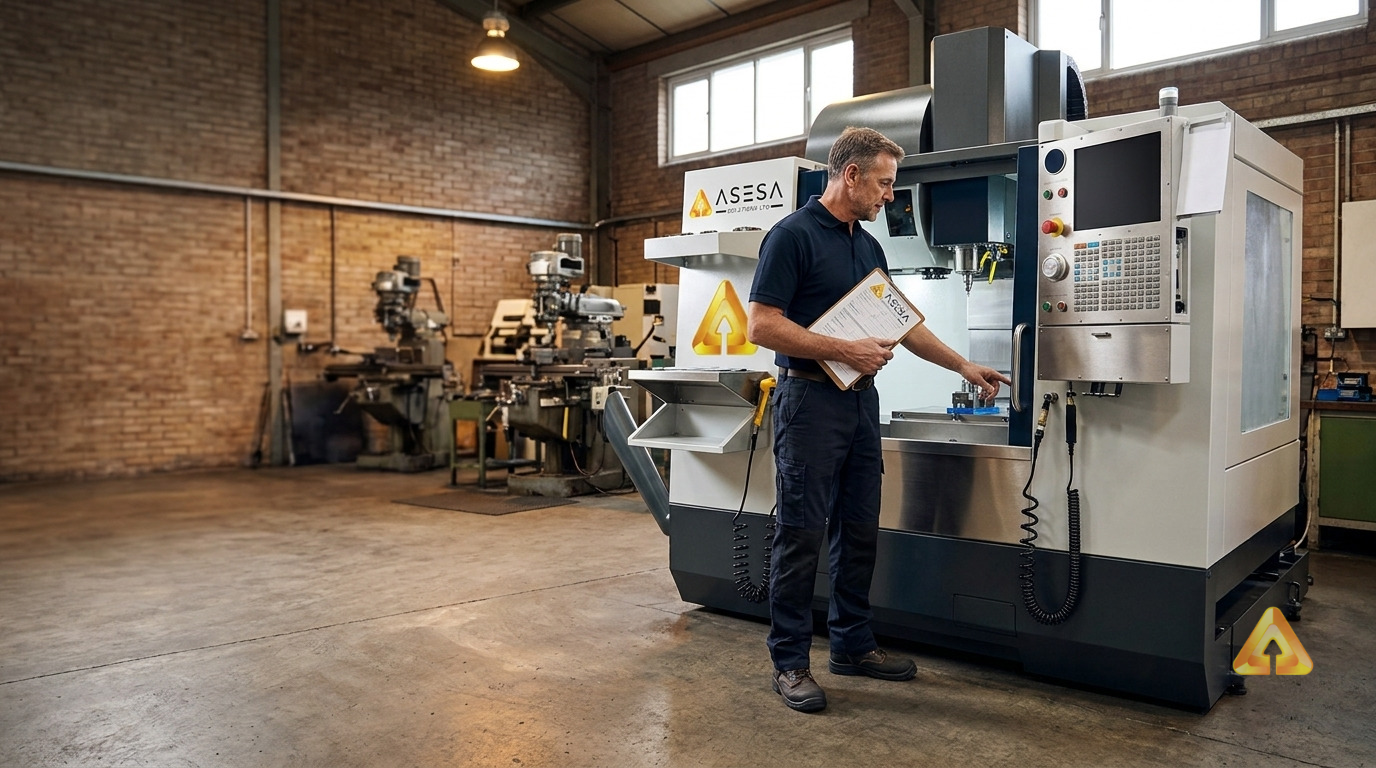
Investment in qualifying machinery and equipment
What’s Changing?
Two important changes to the main rate capital allowances are worth considering.
The main rate First-Year Allowance will increase from 40% to 50% for qualifying expenditure from 1 January 2027.
The main rate Writing Down Allowance will reduce from 14% to 12% from April 2027. The special rate Writing Down Allowance will remain at 6%.
Important: The WDA changes will apply from 1 April 2027 for businesses paying Corporation Tax and 6 April 2027 for businesses paying Income Tax.
Key Dates to Remember
The changes take effect at different points in 2027.
What Could This Mean for Your Business?
Let’s consider a simple example of a qualifying equipment purchase.

Reviewing the financial impact before making an investment
A point worth remembering: A £5,000 deduction is not a £5,000 tax saving. It reduces taxable profits, and the actual tax benefit depends on the business’s tax position.
Businesses should also consider whether they qualify for Full Expensing or the Annual Investment Allowance (AIA), which can provide 100% relief on qualifying expenditure. The most suitable allowance depends on the business, asset and eligibility conditions.

Consider the asset, timing and available tax relief before purchasing
Plan Before You Purchase
Before committing to a significant equipment purchase, businesses should take a moment to review the following:
01. Check asset eligibility
02. Compare available reliefs
03. Review the timing
04. Maintain documentation
05. Speak to your accountant
A planned investment may offer a better tax outcome than a purchase made without reviewing the available reliefs.
The Right Investment Starts with the Right Tax Planning.
At ASESA Solutions, we help businesses review their tax position and understand the reliefs available before making important investment decisions. Contact our team for guidance tailored to your business.