
PROPOSED CHANGES TO VAT ONLINE MARKETPLACE LIABILITY: WHAT BUSINESSES SHOULD KNOW


ASESA Insights | VAT & Tax Compliance
UK Business Tax Update
Proposed Changes to VAT Online Marketplace Liability: What Businesses Should Know
Understanding potential VAT changes, online marketplace responsibilities and the importance of staying prepared as your e-commerce business grows.
For businesses selling through online marketplaces, VAT compliance is an important part of managing financial risk. Proposed changes to marketplace liability are worth monitoring, particularly for businesses that sell goods online or operate across different sales channels.
Online marketplaces have become an important route to market for retailers, growing businesses and independent sellers. However, understanding who is responsible for accounting for VAT can be complicated, particularly where transactions involve marketplace operators, third-party sellers and customers in different locations.
The proposed changes to VAT online marketplace liability raise important questions about responsibilities, transaction records and the processes businesses may need to review. Understanding the proposals and checking the latest official guidance can help businesses prepare appropriately.
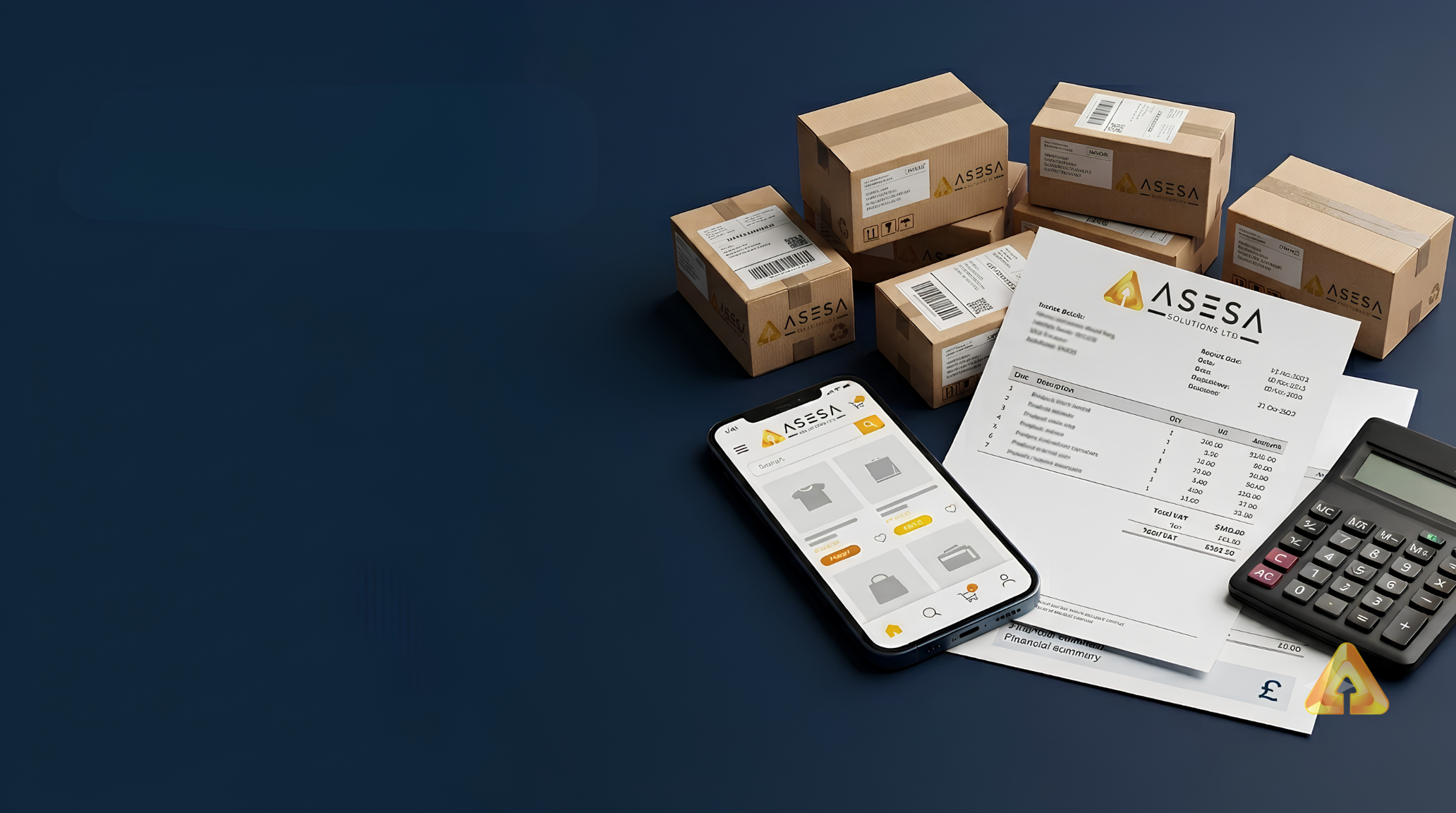
Accurate sales records and a clear understanding of VAT responsibilities support effective e-commerce financial management.
What Is VAT Online Marketplace Liability?
VAT online marketplace liability concerns the circumstances in which an online marketplace operator may be responsible for accounting for VAT on sales made through its platform, rather than the responsibility resting solely with the underlying seller.
The applicable rules depend on the nature of the transaction and the relevant VAT legislation. Existing UK VAT rules already place certain responsibilities on online marketplace operators in specified circumstances, including particular transactions involving overseas sellers.
Any proposed changes should therefore be considered in the context of the existing framework. Businesses should distinguish between rules already in force, proposals under consultation and any changes that have formally been enacted.
The key question for businesses
Who is responsible for accounting for VAT on each relevant transaction, and do your current records and processes clearly establish that responsibility?
Why Could Proposed VAT Changes Matter to Online Sellers?
Changes to VAT marketplace liability could have implications for how businesses review their online sales, contractual arrangements and VAT accounting processes. The actual impact will depend on the final scope and wording of any legislation introduced.
01 / VAT RESPONSIBILITIES
Understanding Who Accounts for VAT
Businesses should understand the respective responsibilities of the seller and marketplace operator under the rules applicable to their transactions. Clear arrangements can help reduce confusion and support accurate VAT reporting.
02 / SALES RECORDS
Maintaining Accurate Marketplace Records
Sales reports, invoices, refunds, fees and other transaction records should be organised and reconciled with the business’s accounting records. Reliable information makes it easier to review VAT treatment and investigate discrepancies.
03 / CASH FLOW
Reviewing VAT and Cash Flow Planning
Businesses should understand how VAT obligations relate to marketplace settlements, fees, refunds and payment timing. Accurate bookkeeping can help owners assess their cash position and plan for amounts due.
04 / COMPLIANCE
Preparing for Regulatory Developments
Monitoring official announcements and reviewing internal procedures can help businesses identify where further clarification, updated guidance or changes to their accounting processes may be required.

Regular bookkeeping reviews can help identify inconsistencies in marketplace sales and VAT records.
How Can Businesses Prepare for Potential VAT Changes?
Businesses do not need to wait for every detail to be finalised before reviewing their existing VAT processes. The following practical checks can help establish whether current arrangements are sufficiently organised.
1. Review Your Online Sales Channels
Identify the marketplaces your business uses, the types of goods sold and the locations of relevant sellers and customers.
2. Check Your VAT Treatment
Review how sales are classified, how VAT is accounted for and whether the applicable marketplace rules are being followed for the transactions concerned.
3. Reconcile Marketplace Reports
Compare marketplace statements with sales invoices, refunds, fees, bank receipts and accounting records. Investigate material differences promptly.
4. Monitor Official HMRC Guidance
Check official announcements, consultation outcomes and legislation to determine what has been proposed, what has been confirmed and when any enacted changes take effect.
5. Review Your Accounting Support
Make sure responsibility for VAT reviews, record reconciliation and return preparation is clear. Seek professional advice if the correct treatment of a transaction is uncertain.
Why Accurate Bookkeeping and VAT Compliance Matter
Accurate bookkeeping provides more than a record of business transactions. It gives owners a clearer picture of revenue, expenses, cash flow and financial obligations.
For businesses selling through online marketplaces, well-maintained records can help support VAT return preparation, transaction reconciliation and the investigation of differences between reported sales and marketplace payments.
A consistent accounting process can also make it easier to respond to regulatory developments. When records are organised and responsibilities are clear, businesses are better placed to assess the practical implications of confirmed changes.
Key Takeaway
Stay Informed. Keep Your Records Accurate. Prepare With Confidence.
Businesses should understand their current VAT obligations, monitor the proposed marketplace-liability changes and maintain reliable financial records. Any action should be based on the applicable rules and the final position confirmed by the relevant authorities.
How ASESA Solutions Ltd Supports UK Businesses
ASESA Solutions Ltd provides accounting, bookkeeping, payroll, VAT and tax compliance support to businesses in Corby and across the UK.
Our services help businesses maintain organised financial records, manage routine accounting responsibilities and prepare the information needed for effective financial oversight.
Whether you operate an established business or are growing your online sales, having a reliable approach to bookkeeping and VAT compliance can help you manage financial administration with greater confidence.
ASESA SOLUTIONS LTD
Make VAT Compliance Part of Your Business Strategy
Explore ASESA’s bookkeeping, payroll, VAT and tax compliance services to see how organised financial records and professional support can help your business.
Official HMRC VAT Guidance
For the current rules on VAT, overseas sellers and online marketplaces, consult HMRC’s official guidance.
VAT on overseas goods sold directly to customers in the UK →
Disclaimer: This article is for general information only and does not constitute individual tax, VAT or accounting advice. Proposed changes may differ from the final legislation or guidance. Businesses should verify the current position with HMRC or seek professional advice appropriate to their circumstances.
ASESA Solutions Ltd
Accounting | Bookkeeping | Payroll | VAT | Tax Compliance
Corby, United Kingdom