




Meaningful Work Experience: Ditching the Photocopier Mentality to Embrace the Future Workforce
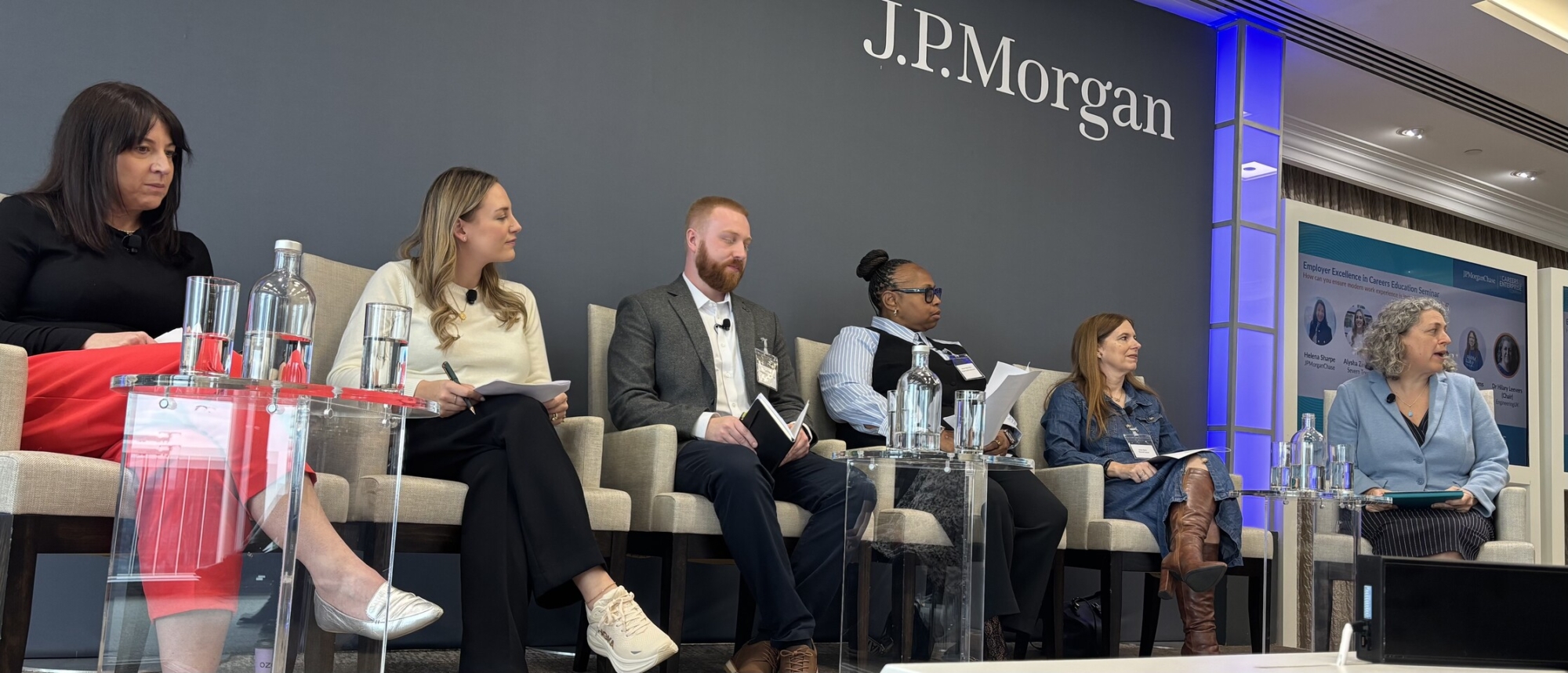
As a Master Connector, Glenn Cameron, bridging the gap between businesses and the future workforce in the Midlands, I this morning found myself navigating the corporate labyrinth of Canary Wharf. I was there at the invitation of the The Careers & Enterprise Company for their “Employer Excellence in Careers Education Seminar,” hosted by Helena Sharpe at the rather swanky global headquarters of JPMorganChase facilitated by Dr Hilary Leevers
I managed to survive the trip without purchasing a fleece gilet, but more importantly, I walked away with some profoundly vital insights. As an Industry Partner for the South Midlands Careers Hub and a Governor at Daventry Hill School (part of the Creating Tomorrow Partnership family), my radar is permanently tuned to how we can better support young people, particularly those with Special Educational Needs and Disabilities (SEND).
It is easy to look at global behemoths like J.P. Morgan or Severn Trent (represented on this morning’s panel by Alysha Zimmer) with their 10,000-strong workforces and think that delivering high-quality work experience is a luxury reserved for those with bottomless HR budgets. But the truth discussed in that room is highly relevant for local SMEs across the Midlands. Meaningful work experience is no longer a corporate box-ticking exercise; it is an urgent necessity for the survival of our local economies.
Here are the key takeaways from the seminar on how businesses of all sizes can step up, stop being terrified of “getting it wrong,” and tap into an incredible, underutilised talent pool.

The End of the “Bin Emptying” Era
For many SMEs, the phrase “work experience” triggers a slight sense of dread. It conjures images of a bored fifteen-year-old taking up valuable oxygen near the photocopier for a week, draining the time of already overstretched staff.
Susan Burns, representing Skyhook Games a Liverpool-based SME game development company with around 20 employees, spoke candidly about this exact struggle. She admitted that their early attempts at offering one-week work placements were exhausting for the team, often resulting in the student being asked to do menial tasks like emptying the bins because no one had the capacity to supervise them properly. Unsurprisingly, this didn’t inspire the next generation of digital creatives.
However, Skyhook Games didn’t abandon the concept; they pivoted. Working collaboratively with their local Careers Hub, they scrapped the traditional week-long model and shifted toward structured, immersive one-day insight events. By designing a focused, highly interactive day, they were able to host up to 200 students at a time in partnership with local educational institutions, showing them the vast array of roles available in the industry beyond just coding (such as HR and marketing).
The SME Lesson: You don’t need a skyscraper or a dedicated early-careers team to make an impact. If a one-week placement is too heavy a lift, don’t do it. Work with your local Careers Hub to design scaled, high-impact “discovery days” or virtual experiences. It is entirely possible to provide a highly valuable experience that fits the operational reality of a smaller business.
The SEND Disconnect: A Statistical Tragedy
Perhaps the most sobering moment of the seminar came from Dan Miliffe the Head of Careers at Oakwood Specialist College. He highlighted a statistical disconnect that should make every employer pause and reflect. Currently, only around 5% of people with learning disabilities are in paid employment, yet surveys indicate that over 65% actively want to be in the workforce.
Let that sink in. We have industries crying out for talent, suffering from skills shortages, and yet we are collectively ignoring a massive demographic of willing, capable individuals.
Dan addressed the elephant in the room with refreshing candor: employer fear. Many businesses, particularly SMEs without large legal or HR departments, are terrified of engaging with SEND students because they are afraid of saying the wrong thing, doing the wrong thing, or facing complex legal liabilities regarding health and safety.
The reality is far less daunting. As Dan expertly pointed out, making reasonable adjustments for neurodivergent or disabled young people isn’t about reinventing your entire corporate structure. Often, it involves incredibly simple, zero-cost adjustments to your communication style and workflow. Furthermore, he noted that “inclusive design” benefits everyone. When you make your workplace instructions clearer, your environment more structured, and your culture more supportive for a SEND student, your existing workforce benefits from that clarity and structure too.
The SME Lesson: Inclusion is just good business practice. Do not let the fear of getting it wrong stop you from trying. Start with small, intention-driven steps, and lean on the expertise of local specialist schools and colleges to guide you.

A Masterclass in Potential: Teresa’s Story
As the Industry Partner and a Governor at Daventry Hill School, I felt a massive surge of pride listening to Teresa, a student from Creating Tomorrow College as the room heard directly from a couple of students.
Teresa spoke openly about her diagnosis of Autism and her sensory processing difficulties. She articulated exactly why the traditional, high-pressure interview process is a massive barrier for neurodivergent individuals, and why structured work experiences are the vital bridge to employment.
Through carefully managed placements, including time spent working in a charity shop and a museum, Teresa explained how she was able to build her confidence, practice her workplace communication, and learn how to navigate professional environments in a way that worked for her sensory needs. Hearing a young person confidently address a room full of corporate heavyweights in Canary Wharf about her journey from an anxious student to a work-ready adult was nothing short of brilliant.
Teresa is living proof of what happens when employers look past a label and provide an opportunity. For students at places like Daventry Hill School and Creating Tomorrow College, a work placement isn’t just a line on a CV; it is a profound exercise in social mobility and self-actualisation.
The Corporate Supply Chain Ripple
If the moral and social arguments aren’t enough to convince local businesses to get involved, there is a hard commercial reality approaching.
Norma Odain-Hines MInstLM representing a Tier 1 construction organisation Morgan Sindall Construction, discussed how large corporates are fundamentally changing how they procure services. Big businesses are increasingly tying their environmental, social, and governance (ESG) goals to their supply chains. Norma explained that they are moving away from ad-hoc placements and are actively asking their smaller contractors and supply chain partners to participate in structured work experience programmes.
The SME Lesson: If your Midlands business is bidding for contracts with larger organizations, local authorities, or Tier 1 contractors, demonstrating your commitment to social value is becoming a prerequisite. Offering structured work experiences to local, underrepresented young people is one of the most effective ways to prove that your business is an active, positive force in the community.
The Blueprint for Midlands SMEs: How to Take Action
So, how do we translate the grand ideas of Canary Wharf into actionable steps for businesses in the South Midlands?
1. Ditch the Ad-Hoc Approach: Work experience shouldn’t be an afterthought organized for a colleague’s nephew. Engage with the South Midlands Careers Hub to create a structured program. Whether it’s a one-day interactive workshop, a virtual project, or a structured week-long placement, plan the outcomes before the student arrives.
2. Lean on the Experts: You are an expert in your industry, not necessarily in education or SEND support. If you want to offer placements to students from institutions like Daventry Hill School, just ask us. The schools and Careers Hubs will support you, prep the students, and help you implement those simple, reasonable adjustments.
3. Broaden the Horizon: As Jonathan, an 18-year-old A-level student who also spoke noted, young people need exposure to various industries to build transferable skills. You don’t just have to teach them the technical aspects of your trade; teaching them basic professional etiquette, teamwork, and problem-solving is invaluable.
4. Embrace Neurodiversity: Remember Dan’s statistic: 65% of people with learning disabilities want to work. By adjusting your hiring and work experience models, perhaps moving away from high-pressure interviews toward practical task assessments, you can tap into a highly loyal, focused, and capable workforce.
Final Thoughts
The seminar at JP Morgan proved that excellence in careers education isn’t defined by the size of the employer, but by the intentionality of the experience. We have incredible young people across the South Midlands, just like Teresa, who are simply waiting for a door to be opened.

Let’s stop asking them to empty the bins, and start showing them how they can help build our local industries. If you are an SME ready to step up, get in touch with the South Midlands Careers Hub. The future workforce is ready… it’s time to ensure we are too.